
Pre-order Cence HV, our fault-managed power system here

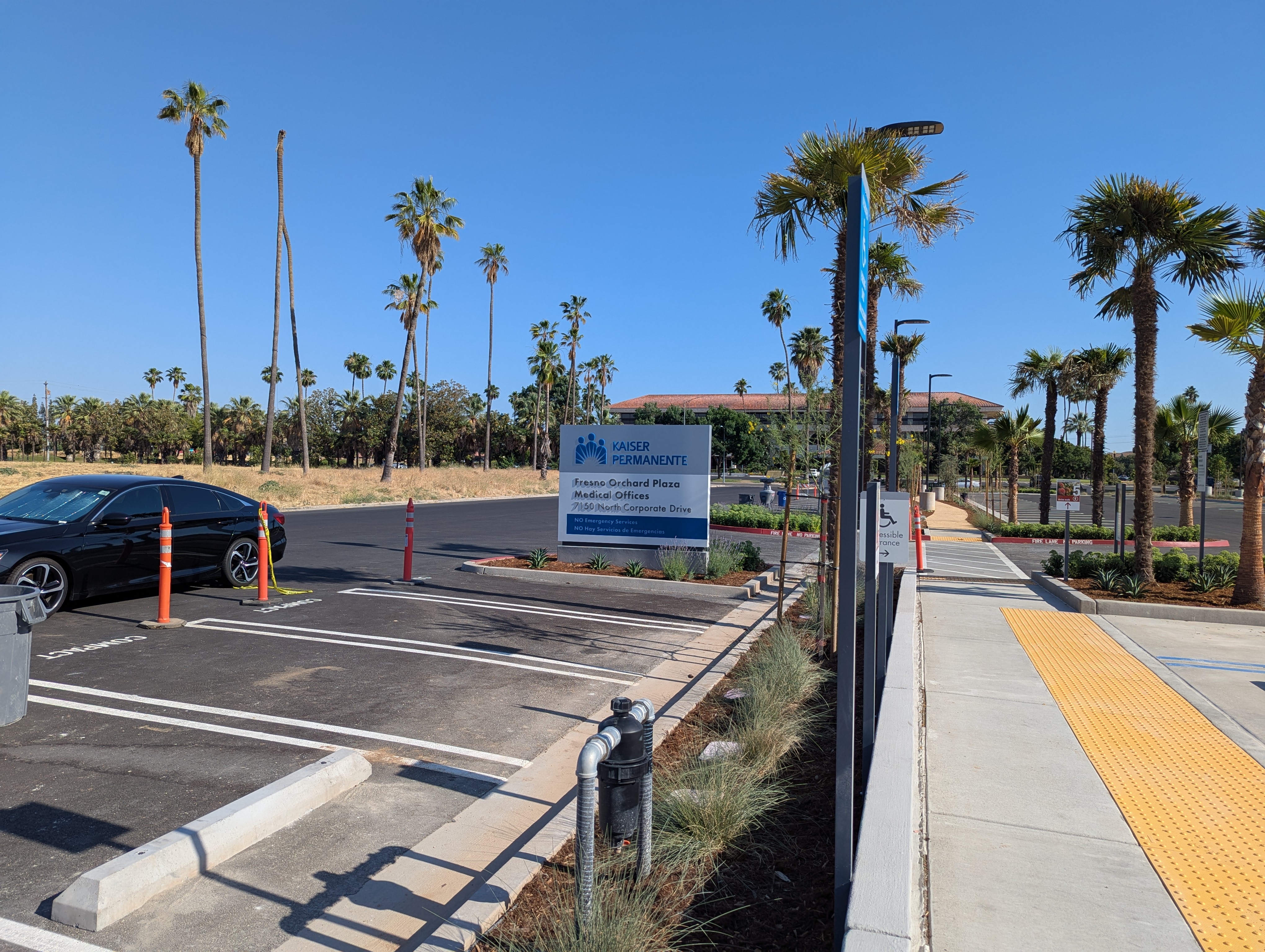
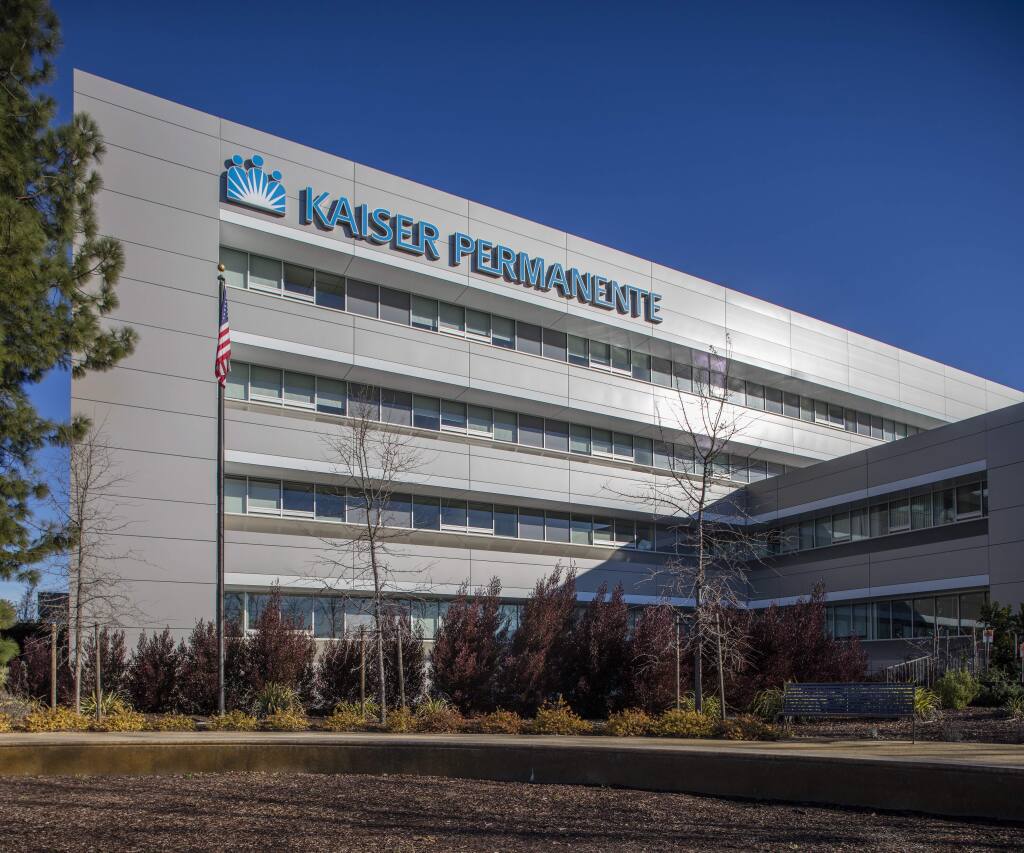
Kaiser Permanente is a Health Maintenance Organization(HMO) comprising several hospitals which are owned and operated by Kaiser Foundation Hospitals.
Medical facilities operate around the clock, serving millions of members across the United States. Constant operations mean significant lighting demands and a sizeable carbon footprint.
Kaiser Permanente committed to carbon neutrality by 2020 and achieved it. Their next goal was to achieve carbon net positivity by 2025 that required bold thinking and smarter electrification strategies. Lighting, as one of the largest controllable energy consumers in healthcare buildings, became a key lever for decarbonization and operational efficiency.
The Fresno Medical Office Building became a proving ground for a modern approach: low-voltage DC power distribution. This is the story of how it was done and why it matters for healthcare facilities nationwide.
Kaiser Permanente Fresno was focused on three primary objectives:
1. Decarbonize by reducing operational energy and future embodied carbon.
2. Increase construction speed and reduce labour requirements for lighting installation.
3. Improve operational efficiency without disrupting services.
Legacy AC electrical infrastructure and conventional LED drivers were inefficient. Installing or modifying lighting circuits require high voltage electricians, conduit, and significant downtime. With patient care running24/7, these traditional approaches slowed construction and increased costs.
Kaiser Permanente needed a solution that could meet sustainability goals, accelerate deployment and simplify ongoing maintenance as they are always in search of innovation as an organization.
Low-Voltage Dc-to-DC Lighting by Cence Power
We, at Cence, simplified their electrical design by removing the complexity of AC line-voltage drivers, replacing them with a centralized low-voltageDC system that delivers power over a single backbone with 8 drivers each with 4 channels. This shift created a cleaner lighter infrastructure and set the stage for measurable energy, cost, and reliable improvements.
Each DC driver channel delivers stable DC power directly to LED fixtures, removing the heat and conversion stress that shorten the fixture life. The low voltage backbone reduced copper usage, eliminated unnecessary conduit and opened the door for quicker reconfiguration as medical centers evolve. By standardizing on a safe, low voltage platform, Kaiser Permanente gained a lighting system that is easier to maintain and fully compatible with advanced controls and future energy efficiency measures.
Lorem ipsum dolor sit amet, consectetur adipiscing elit, sed do eiusmod tempor incididunt ut labore et dolore magna aliqua. Ut enim ad minim veniam, quis nostrud exercitation ullamco laboris nisi ut aliquip ex ea commodo consequat. Duis aute irure dolor in reprehenderit in voluptate velit esse cillum dolore eu fugiat nulla pariatur.
Block quote
Ordered list
Unordered list
Bold text
Emphasis
Superscript
Subscript

Higher Efficiency with Fewer Conversion Losses
By converting AC to DC once at the source, the system avoids repeated AC-DC conversions. The result is less heat, less wasted power, and a meaningful improvement in real operating efficiency. Facilities teams who want to explore this impact can use our energy savings calculator to help discover how much you can save.
Lower Installation and Material Costs
Cence low-voltage DC power distribution system removes the need for conduit. LED fixtures don’t last as long as they are advertised owing to the driver dying prematurely. Contractors work faster with lighter infrastructure, and reduced material footprint contributing to both cost savings and lower embodied carbon.
Improved Reliability and Longer System Life
Driver failures are one of the most common LED failure points. With driver-less fixtures and centralized power, maintenance demands drop sharply, and the entire system operates at cooler and more stable conditions.
Flexible Scalable Architecture
Because power and control travel over a unified low-voltage network, future zones, fixtures, sensors, or smart systems can be added without rewiring or electrical disruption.
Capital Expenditure Savings
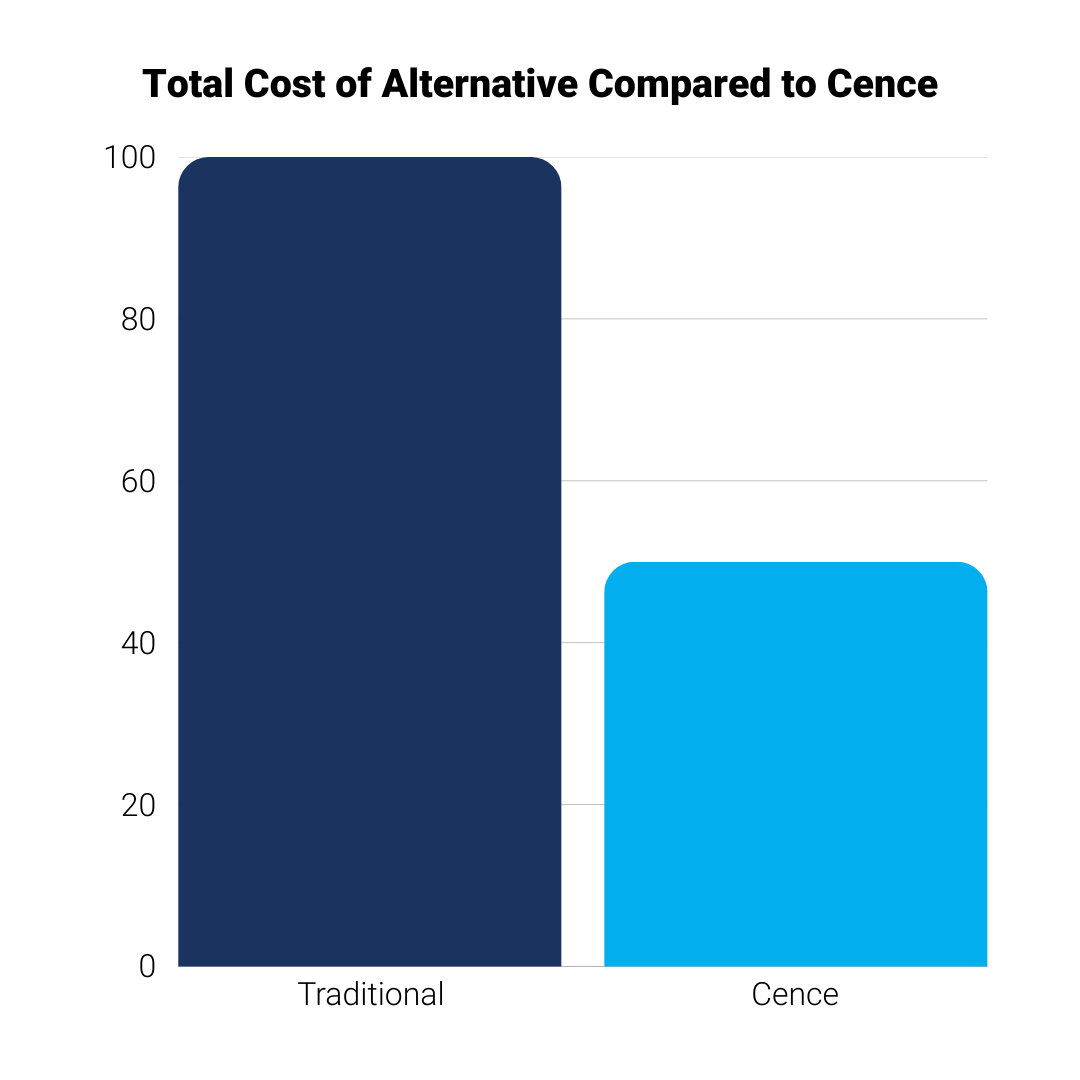
The Fresno team avoided the cost of replacing traditional AC line voltage drivers and reduced the need for conduit. The move to a centralized Low Voltage DC distribution system allowed lighting power to be delivered through simpler cabling, lower installation labour and material requirements.
Additional savings came from:
Operational Costs Savings
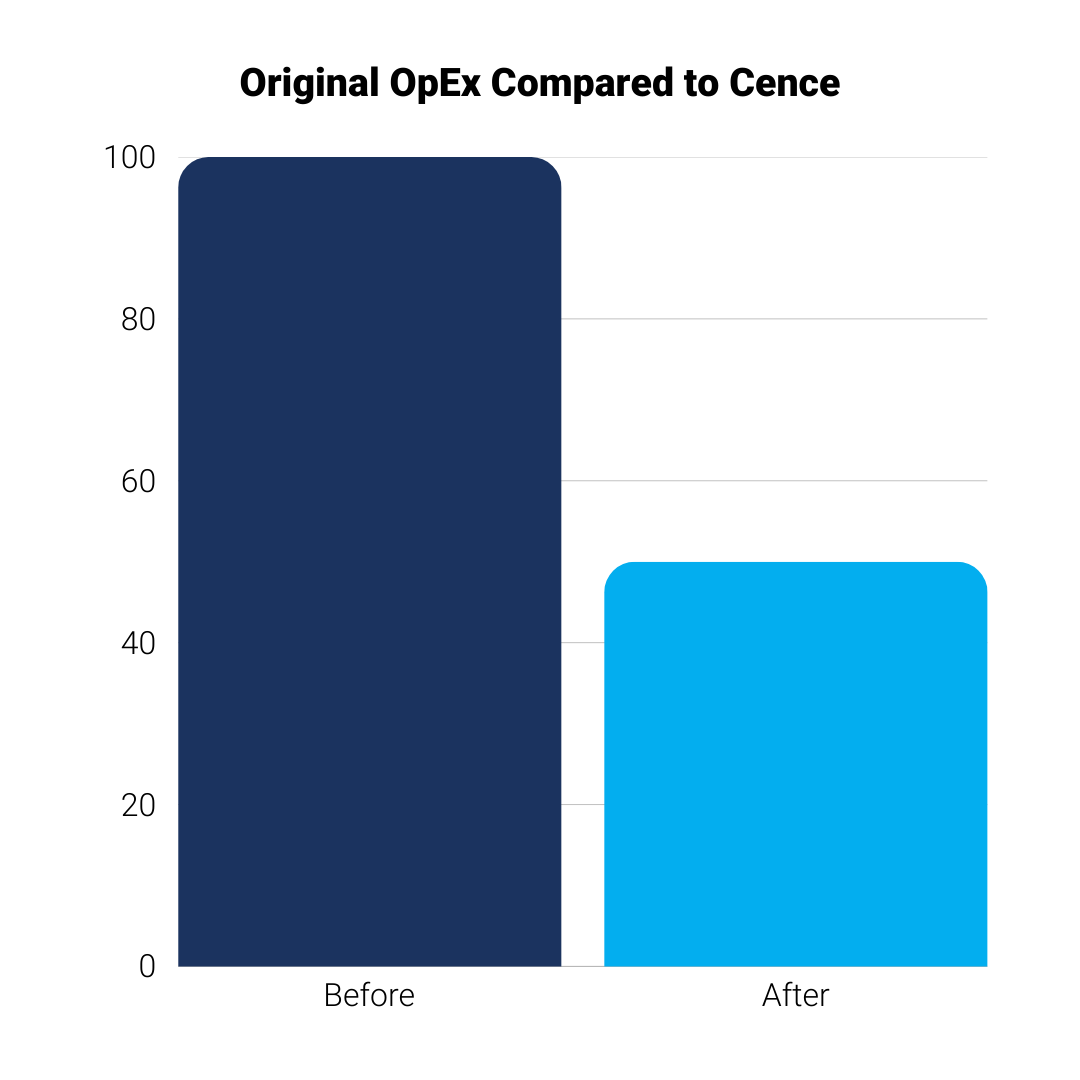
Direct DC power eliminated internal AC to DC drivers, a known source of energy loss in LED lighting. Removing these conversion stages extended fixture life by reducing heat.
Ongoing operational savings were driven by:


