Pre-order Cence HV, our fault-managed power system here

Pre-order Cence HV, our fault-managed power system here
Education
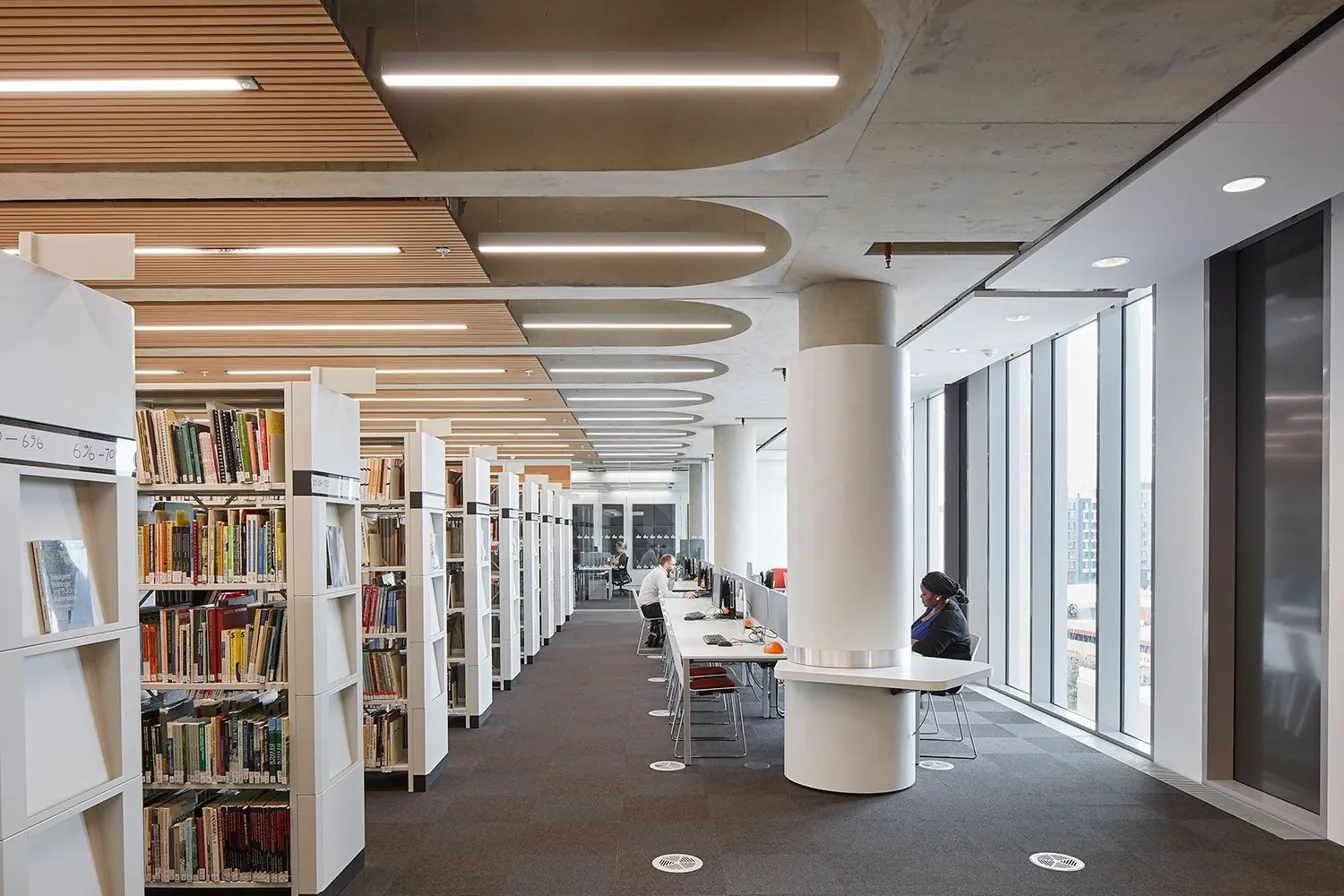
The modern educational environment is evolving from traditional classrooms into flexible, technology-enabled learning spaces. Cence Low-Voltage DC power distribution delivers safe, Class 2 power for LED lighting, helping simplify maintenance and reduce operational costs by up to 40%, while supporting a better day-to-day experience for students and staff.
Cence · Education
Replace complex AC wiring with a resilient DC backbone. Engineered for modern campuses, Cence simplifies maintenance while delivering safe, distraction-free lighting for students and staff.
North American educational institutions are accelerating their transition to sustainable, high-tech infrastructure. With the push toward Net Zero schools and the integration of advanced STEAM classrooms, traditional electrical systems are becoming an operational bottleneck. In Canada and the US, aging school facilities face a clear requirement for modernization that prioritizes energy efficiency, ease of maintenance and safety.
Cence DC infrastructure provides a direct path to these goals. It gives school boards and university estate directors a measurable way to hit environmental targets while lowering the total cost of ownership for lighting infrastructure and maintenance.
Our distribution is current-limited to UL 1310 standards. By delivering low voltage DC power, we provide a safe, compliant infrastructure for lighting in classrooms and student common areas.
By utilizing centralized LED drivers in a remote Hub, we remove failure-prone components from the ceiling. Maintenance is consolidated in an electrical closet, eliminating ladders and classroom disruptions.
Cence is engineered for new builds and deep modernizations. By centralizing power, we reduce copper and conduit requirements, lowering cabling CapEx and doubling the lifespan of LED assets.
Centralization reduces the volume of electronics and metal required for the facility. Cence helps institutions reduce embodied carbon by up to 8%, contributing directly to Net Zero and LEED goals.
Yes. Cence is fully compliant with NEC and CEC standards for Class 2 power distribution. Because the system is current-limited and operates at low voltage, it often simplifies the permitting process and reduces the requirement for specialized labor in many areas of the school.
Our Hubs are designed for Zero Learning Disruption. The system features hot-swappable modules, allowing maintenance teams to service the power distribution at the Hub without shutting down power to the classroom or hallway (subject to AHJ).
The Cence Hub is designed to act as a digital power backbone that integrates with industry-standard automation protocols and Building Management Systems (BMS). Cence allows facilities teams to manage power distribution across specific campus zones and implement granular lighting schedules.
Redefining Campus Lighting: Moving Power Distribution Out of the Ceiling

How centralized low-voltage infrastructure cuts costs beyond the electricity bill — in new builds and deep modernizations.
Read the blog →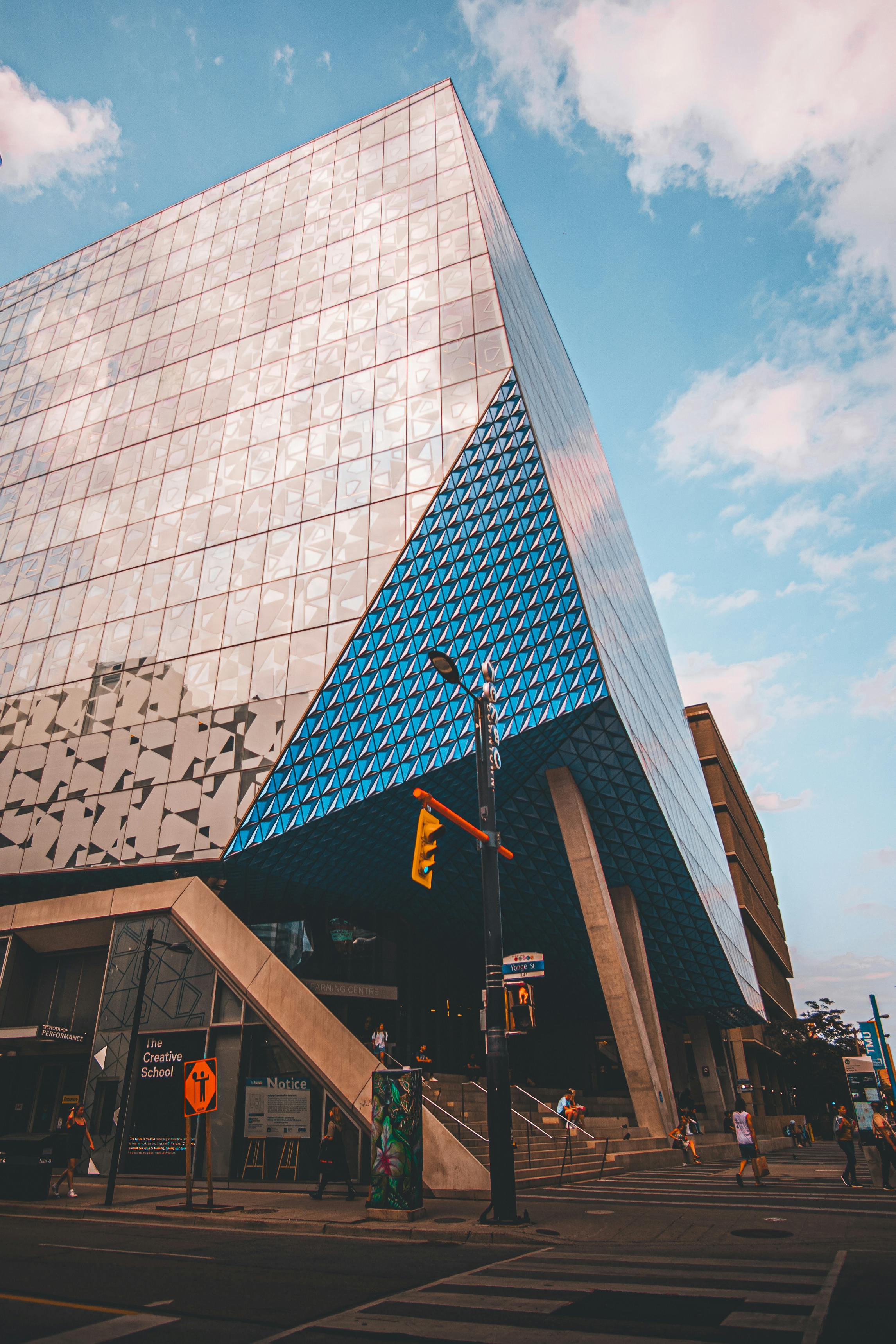
A real-world low-voltage DC installation at an educational facility. Project in progress.
View case studies →Get a project-specific CapEx and OpEx analysis for your upcoming school or university modernization project.
Request a Technical Consultation


